Node Architecture & Backbone
Understanding the physical layer that powers QatarConnect's fiber optic network infrastructure.
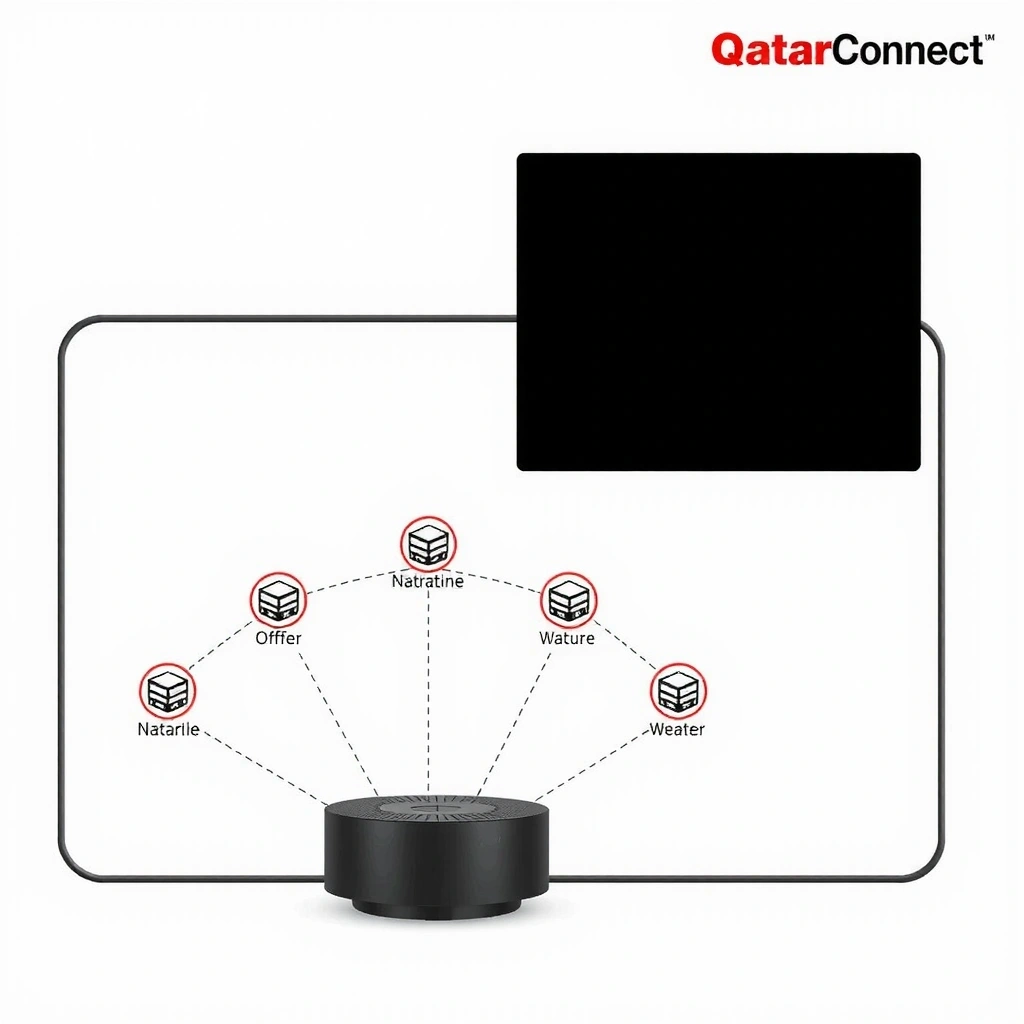
Our backbone utilizes a dual-ring topology architecture spanning 2,400 kilometers of fiber optic cabling across Qatar. This design ensures that even in the event of a cable cut or node failure, traffic is automatically rerouted within milliseconds, maintaining service continuity without manual intervention.
Redundancy Specifications
- • Path Diversity: Every major node connects via two physically separate routes
- • Geographic Separation: East and West ring paths never share underground conduits
- • Auto-Protection Switching: Sub-50ms failover time on fiber cuts
Data Center Interconnects
- • DC1 (West Bay): Primary aggregation, 100Gbps spine-leaf
- • DC2 (Lusail): Disaster recovery, full replication
- • DC3 (Industrial): Edge computing, low-latency cache
Live Latency Monitor
Test connectivity to our core routing nodes in real-time.
Current Status: Operational
Service Level Agreement (SLA)
Clear commitments on response and resolution times.
QatarConnect Field Guide
Understanding Network Latency
Latency is the time it takes for data packets to travel from your device to our servers and back. While bandwidth determines how much data you can transfer, latency determines how quickly that data starts moving.
For QatarConnect infrastructure, we maintain an average round-trip latency of 3-5ms within Doha, 8-12ms to Dubai, and sub-100ms to European peering points. Lower latency means faster page loads, snappier video conferencing, and reduced lag in real-time applications.
Evaluation Criteria
- Physical Distance: Light travels ~300km/ms in fiber. Geographical proximity matters.
- Routing Hops: Each router adds ~0.5ms. Our tier-1 peering reduces hops.
- Packet Loss: Should stay under 0.1%. Our monitoring triggers alerts at 0.05%.
Myth vs. Fact
Glossary
- POP:
- Point of Presence - where ISP equipment connects to our network
- BGP:
- Border Gateway Protocol - routing between networks
- SLA:
- Service Level Agreement - performance commitments
Common Mistakes to Avoid
- Blaming network speed for application server delays - measure server response time first
- Ignoring WiFi interference in office environments - always test wired when troubleshooting
- Assuming latency is constant - it varies by time of day, test during peak hours
- Using speed test sites with distant servers - always test to your actual production endpoints
Engineering for Resilience
QatarConnect's infrastructure isn't built for "good enough" — it's engineered for "always on." Every decision, from fiber cable burial depth to router failover logic, prioritizes uptime over cost. That's why major enterprises and government entities across Qatar trust our backbone for mission-critical operations.
- ✓ 99.995% Uptime Guarantee: Less than 27 minutes of unplanned downtime annually
- ✓ Triple Path Redundancy: Every signal travels three physical routes simultaneously
- ✓ Real-Time Monitoring: 24/7 NOC with automated escalation protocols
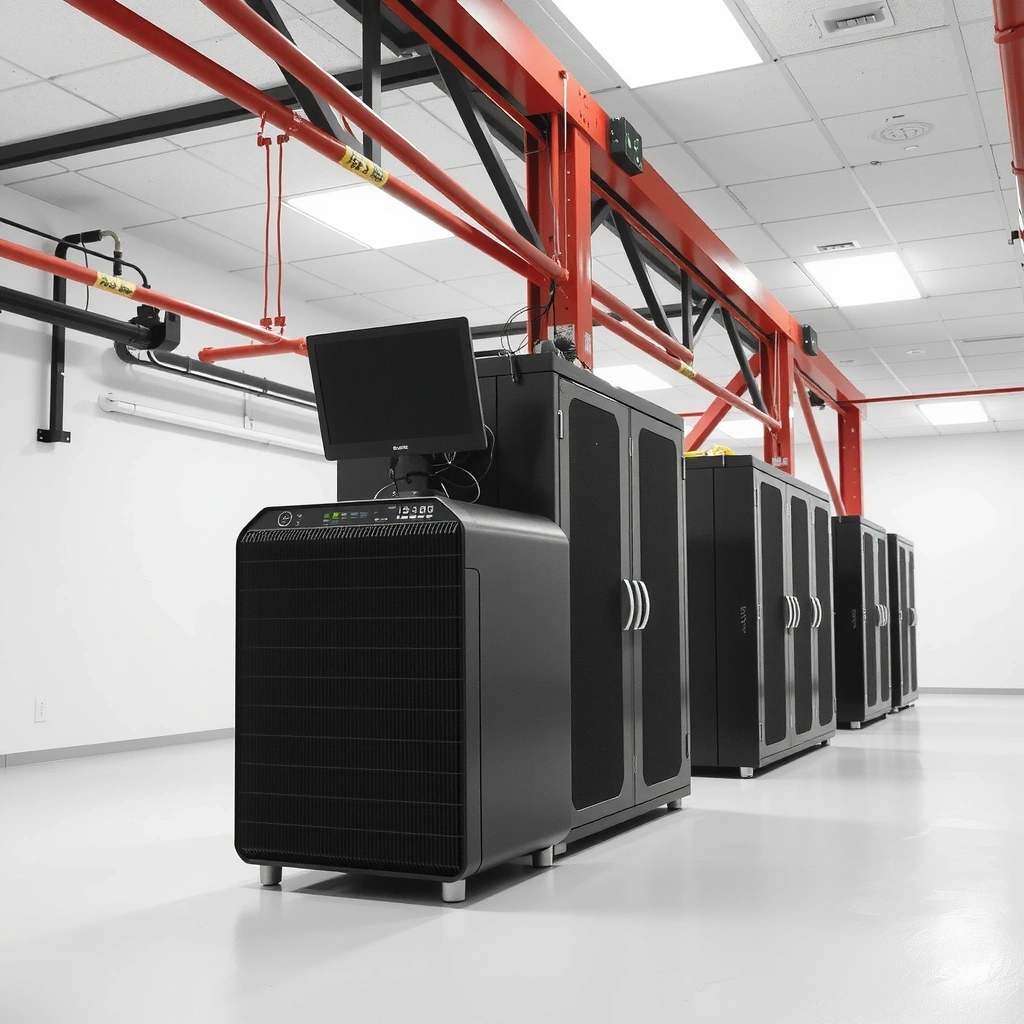
Primary Data Center - West Bay
Infrastructure Inquiries
For technical specifications, SLA negotiations, or enterprise connectivity solutions, contact our infrastructure team directly.